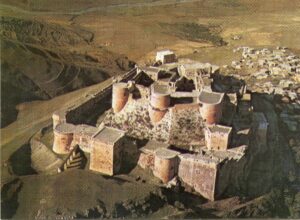
Picture a hill above a wide plain, topped by massive stone walls and round towers that look like part of the mountain itself. That is Krak des Chevaliers, the Crusader castle near the town of Talkalakh in Syria’s Homs governorate, inscribed on UNESCO’s World Heritage List in 2006 together with Qal’at Salah El-Din.
Its story is long, but it is easy to follow one step at a time: how it began, how it grew, how it fell, and what you are looking at when you stand in front of it today.
How did the story of Krak des Chevaliers begin?
In 1142, Raymond II, Count of Tripoli, granted the site to the Knights Hospitaller (the Knights of St John). The place was known before that as Hisn al-Akrad, the fort of the Kurds, and the castle’s famous European name comes from it. The knights began rebuilding the fortress in the 1140s, and most of the work was finished around 1170, the year an earthquake struck and damaged it.
A castle inside a castle
In the 13th century the castle entered a new phase of building that made it a concentric fortress: an outer wall wrapped around an inner one. This design gives it its imposing look. Some sources describe the first half of that century as its golden age, with a garrison of around two thousand men at its peak.
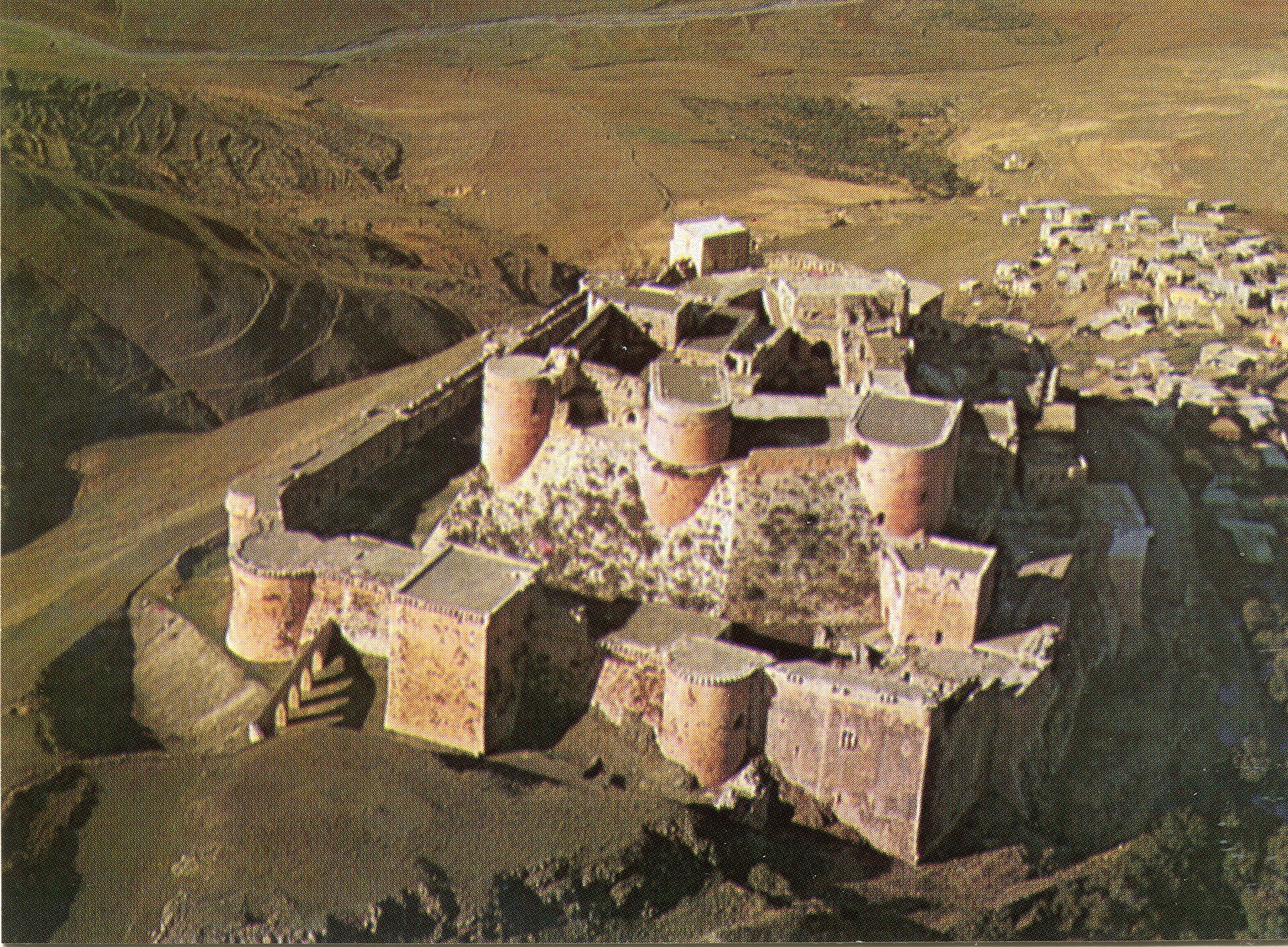
1271: the fall of the castle
The knights’ time at the castle ended in 1271, when the Mamluk Sultan Baibars besieged it for about 36 days and took it. Some accounts say a forged letter attributed to the Grand Master persuaded the knights to surrender, but that remains an unconfirmed story. After the capture the Mamluks added to the structure and converted the Crusaders’ chapel into a mosque.
What can you see there today?
When you stand before the castle you notice the thick sloping walls and the round towers first, then the vaulted stone passages that open onto inner courtyards. The light shifts between shadow and sun as you move through them, so the walk itself becomes part of the story.
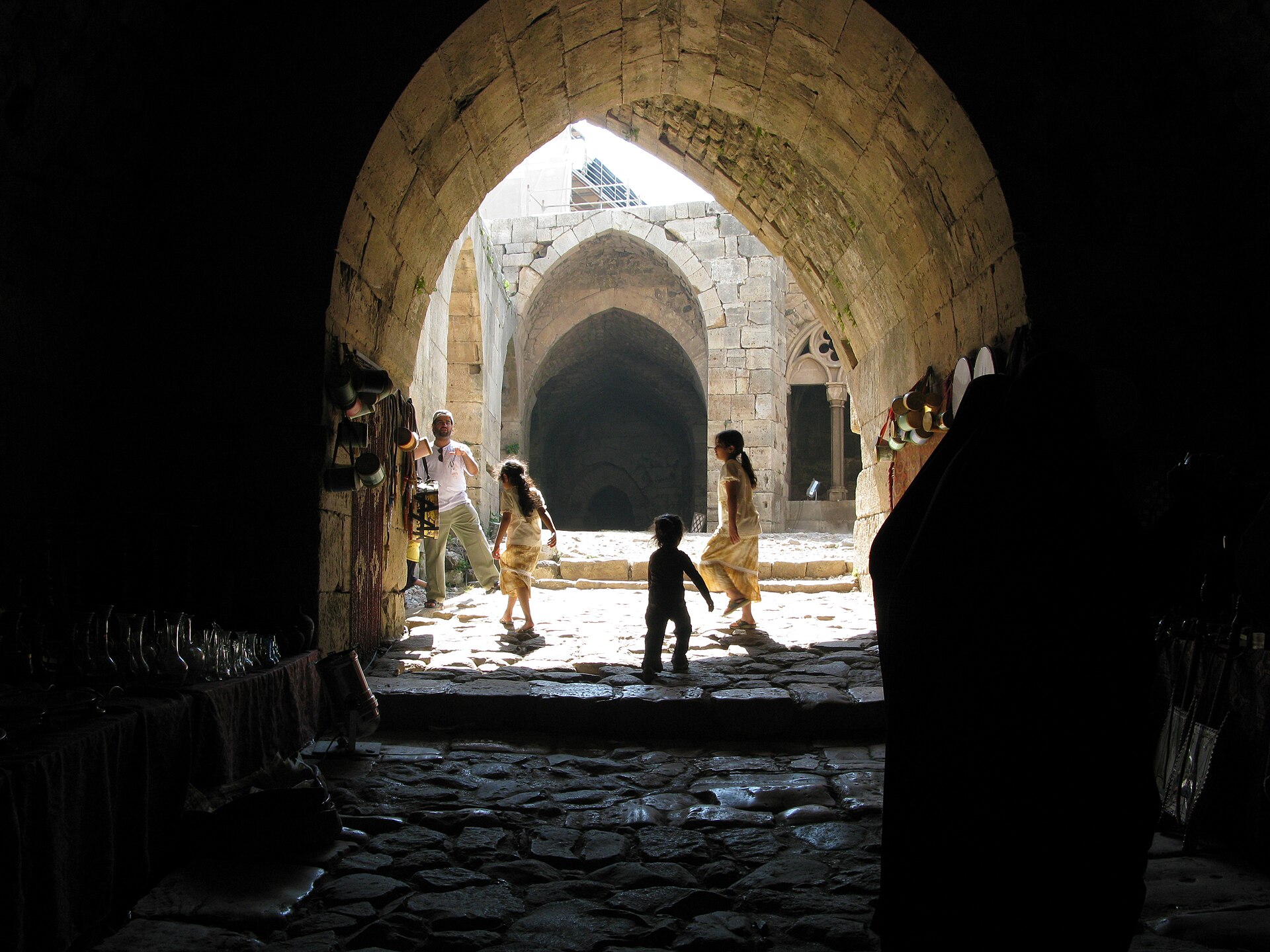
Before you plan a visit
- Check the current condition: the castle was damaged during the years of conflict, and the state of its parts and access to them can change, so ask before you book.
- Do not rely on old information: visiting hours and arrangements change, so we do not quote any here.
- Give it enough time: the castle is large, and wandering through it takes longer than most people expect.
Frequently asked questions about Krak des Chevaliers
Who built Krak des Chevaliers?
The Knights Hospitaller rebuilt it after receiving the site in 1142. Before that it was a fort known as Hisn al-Akrad.
Where is Krak des Chevaliers?
It is in Syria’s Homs governorate, in the west of the country near the town of Talkalakh, in the area known as the Homs Gap.
Is Krak des Chevaliers a World Heritage Site?
Yes. UNESCO inscribed it in 2006, together with Qal’at Salah El-Din.
Final thoughts
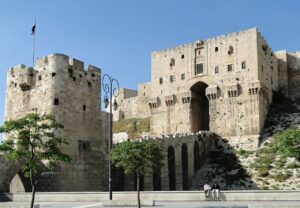
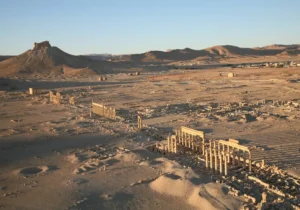
Krak des Chevaliers is more than old stone. It is a story that runs from the Hospitaller knights to a Mamluk sultan to today’s visitors. If you would like to see historic sites like this as part of an organised trip, take a look at Syria Go’s tours. And for more castles and ancient cities, read the Aleppo Citadel and our Palmyra guide.